
What Is Pleural Effusion?
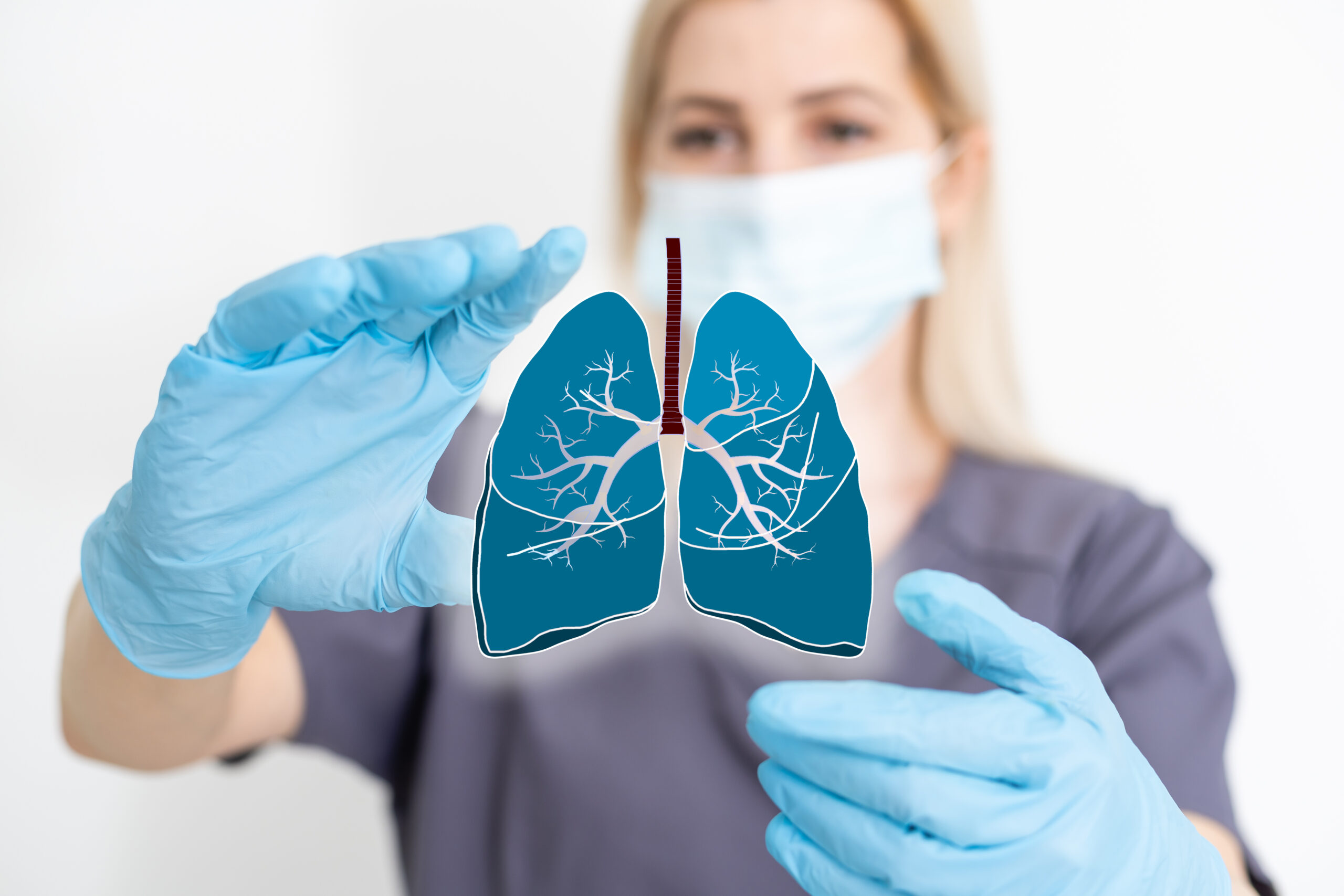
Pleural effusion happens when extra fluid builds up between the layers around your lungs. These layers are called the pleura. Normally, only a small amount of fluid is present to help your lungs move smoothly. However, too much fluid can make it hard to breathe. This condition is sometimes called “fluid in the lungs,” but the fluid is actually around the lungs, not inside them.
Common Causes of Pleural Effusion
Many health problems can lead to pleural effusion. Some causes are more common than others. For example, heart failure is a leading cause. But, infections and injuries can also play a role. Here are some common causes:
Pleural Effusion Symptoms and Warning Signs
At first, you may not notice any symptoms. But as the fluid increases, you might feel:
Sometimes, symptoms can get worse quickly. Therefore, it is important to pay attention to any changes in your breathing.
How Is Pleural Effusion Diagnosed?
If your doctor suspects pleural effusion, several tests can help confirm it. First, your doctor will listen to your chest and ask about your symptoms. Next, you may need:
Because early diagnosis can help prevent problems, see a doctor if you notice symptoms.
Pleural Effusion Treatment Options
Treatment depends on the cause and how much fluid is present. In many cases, doctors treat both the fluid and the underlying problem. Common treatment options include:
Sometimes, you may need to stay in the hospital for treatment. However, many people can recover at home with proper care.
Prevention Tips and Lifestyle Guidance
While you cannot always prevent pleural effusion, you can lower your risk by managing health problems. For instance, you can:
Because early care can make a big difference, talk to your doctor about your risk factors.
When to See a Doctor
If you have trouble breathing, chest pain, or a cough that does not go away, see a doctor right away. Also, if you have a known health problem like heart failure or cancer, watch for new symptoms. Early treatment can help prevent serious problems.
Conclusion
Pleural effusion is a serious condition, but many people recover well with timely care. If you notice symptoms or have concerns, do not wait. Consult Santosh Gaur Memorial Clinic for personalized guidance from a pulmonologist.