What is COPD?
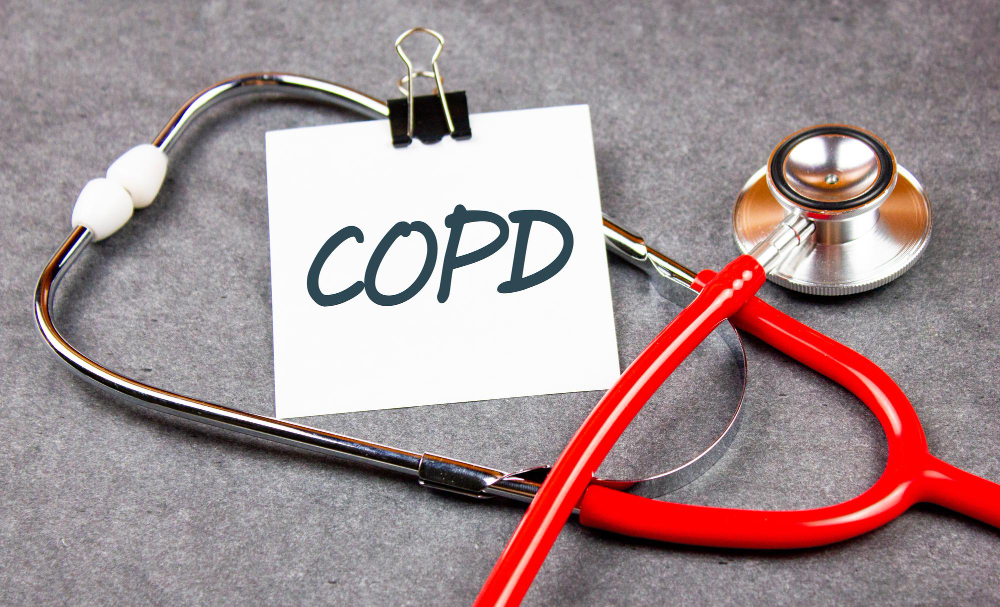
COPD, or chronic obstructive pulmonary disease, is a long-term lung disease. It makes it hard to breathe. Many people, especially smokers, do not know they have it. In fact, COPD often develops slowly. For this reason, early signs can be easy to miss. Over time, the lungs get damaged, and breathing becomes harder. According to the World Health Organization (WHO), COPD is a leading cause of illness worldwide.
Why Smokers Are at Risk
Smoking is the main cause of COPD. When you smoke, harmful chemicals enter your lungs. These chemicals damage the airways and tiny air sacs. As a result, your lungs lose their ability to move air in and out. Even people who quit smoking can still develop COPD later. However, quitting can slow the disease. In addition, secondhand smoke can also increase your risk.
Common Symptoms of COPD
Many smokers ignore early signs of COPD. Yet, recognizing symptoms early can help. Watch for these common signs:
Sometimes, people think these symptoms are just part of aging. However, they may be early signs of COPD in smokers.
How COPD is Diagnosed
Doctors use several tests to diagnose COPD. First, they ask about your symptoms and smoking history. Next, they may use a simple breathing test called spirometry. This test measures how much air you can blow out. In addition, your doctor may order chest X-rays or CT scans. These tests help rule out other lung problems. Early diagnosis is important for better lung health.
Treatment Options for COPD
While there is no cure for COPD, treatment can help manage symptoms. Your doctor may suggest:
In some cases, surgery may be needed. However, most people can control COPD with medicine and lifestyle changes.
Lifestyle Tips for Living with COPD
Living with COPD can be challenging. However, simple changes can make a big difference. Try these tips:
In addition, joining a support group can help you cope.
Prevention and Early Detection
Preventing COPD starts with protecting your lungs. Most importantly, do not smoke. If you already smoke, quitting lowers your risk. In addition, avoid secondhand smoke and air pollution. Regular check-ups help catch early signs of COPD. Early detection means you can start treatment sooner. This can slow the disease and improve your quality of life.
When to See a Doctor
If you notice any symptoms of COPD, see a doctor soon. For example, if you have a cough that will not go away or feel short of breath, do not ignore it. Early treatment can help you breathe easier. In addition, talk to your doctor if you have a history of smoking. They can check your lung health and suggest next steps.
If you have symptoms or concerns about COPD, consult a pulmonologist at Santosh Gaur Memorial Clinic for personalized advice.