
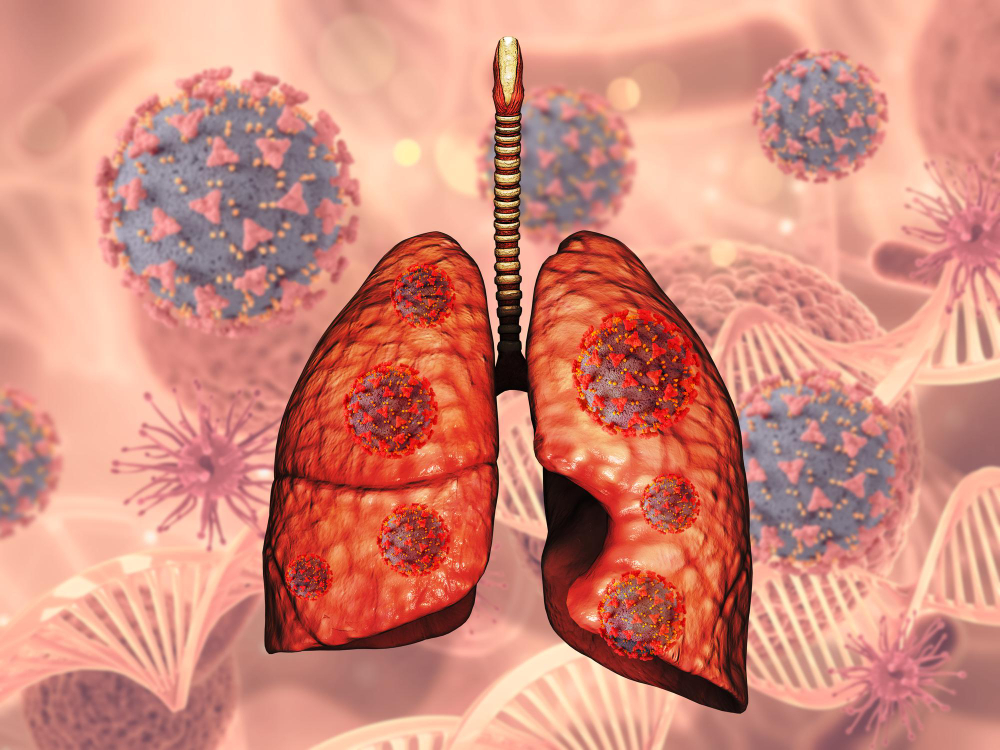
What is Interstitial Lung Disease (ILD)?
Interstitial Lung Disease (ILD) is a group of lung problems. These conditions cause scarring and swelling in the lungs. Because of this, breathing can become hard over time. ILD affects the tissue around the air sacs in your lungs. As a result, oxygen may not move easily into your blood. Over time, this can lead to shortness of breath and other health issues. ILD is important to understand because early care can help slow its progress.
Common Symptoms of ILD
Early signs of ILD can be mild. However, symptoms often get worse as the disease progresses. Knowing the signs can help you seek help sooner. Common ILD symptoms include:
Sometimes, symptoms may be mistaken for other lung problems. Therefore, it is important to talk to a doctor if you notice these signs.
Causes and Risk Factors
There are many causes of ILD. Sometimes, the exact cause is unknown. However, several factors can increase your risk. Common causes and risk factors include:
In some cases, ILD develops without a clear reason. But knowing your risks can help you take steps to protect your lungs.
How ILD is Diagnosed
Doctors use several tests to diagnose ILD. Early diagnosis can help manage the disease better. The process often includes:
Because ILD symptoms can look like other lung problems, these tests help doctors find the right cause. If you have ongoing symptoms, ask your doctor about ILD diagnosis.
Treatment Options for ILD
There is no cure for most types of ILD. However, treatment can help slow the disease and improve your quality of life. ILD treatment options include:
Doctors will choose the best plan based on your needs. For example, ILD treatment in your city may include special clinics or support groups. Always follow your doctor’s advice for the best results.
Lifestyle Tips and Prevention
While not all cases of ILD can be prevented, some steps can lower your risk. Here are some tips on how to prevent ILD and manage your health:
In addition, early treatment of other health problems can help protect your lungs. Therefore, take action if you notice any new symptoms.
In summary, Interstitial Lung Disease (ILD) is a serious lung condition. However, early diagnosis and proper care can make a big difference. Consult a pulmonologist for personalized advice on Interstitial Lung Disease (ILD).
For expert evaluation, accurate diagnosis, and personalized care for interstitial lung disease, consult the specialists at Santosh Gaur Memorial Clinic today.