Understanding Deaddiction and Lung Health
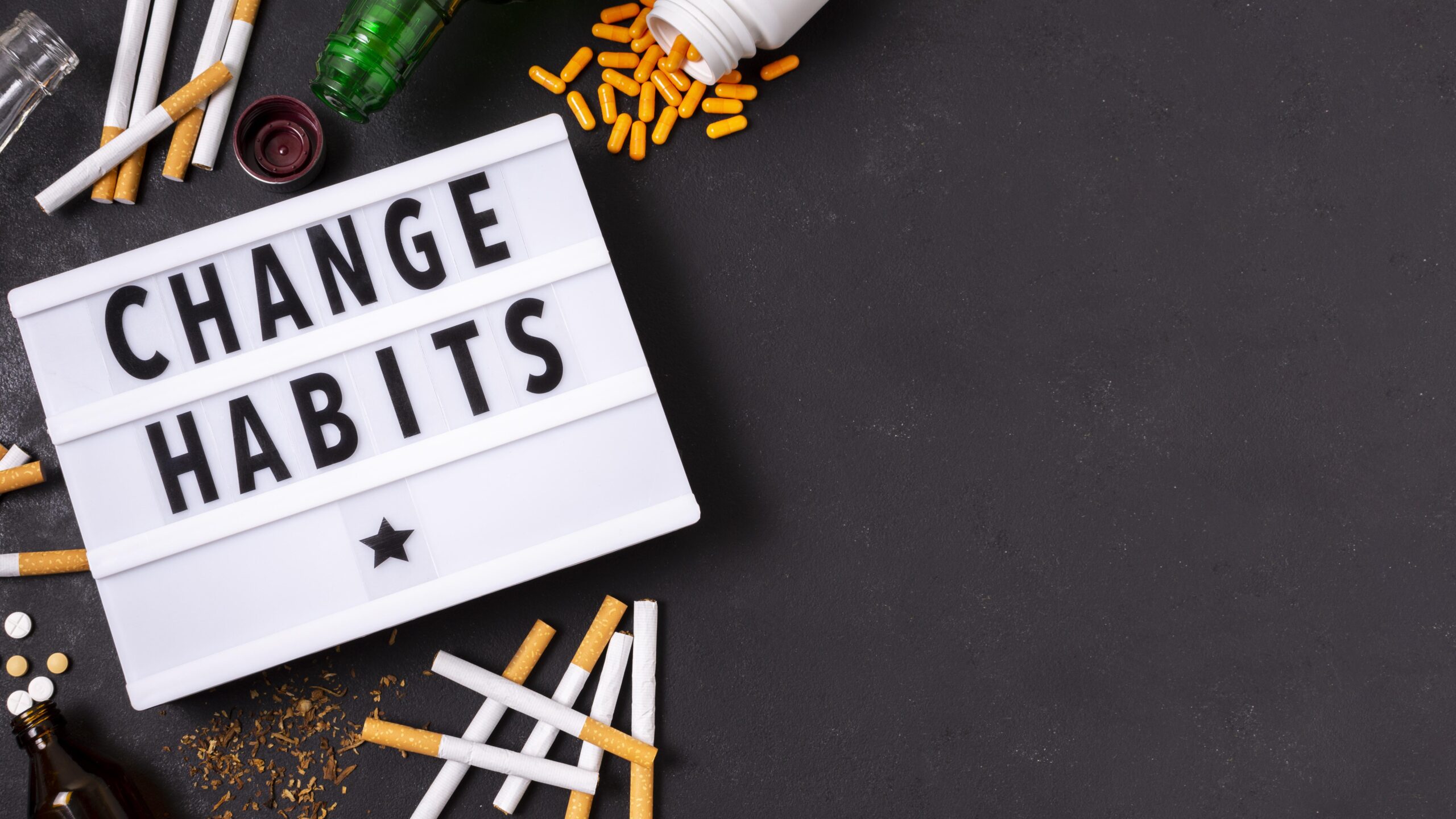
Many people struggle with addiction, but making lifestyle modifications for deaddiction can help you recover. These changes are especially important for your lungs. When you quit smoking or other harmful habits, your lungs start to heal. In fact, the World Health Organization (WHO) states that stopping tobacco use lowers your risk of lung diseases. Therefore, adopting healthy habits supports both your recovery and your breathing.
Common Lifestyle Modifications for Deaddiction
To support deaddiction, you can make several changes in your daily life. These healthy habits for addiction recovery are simple but powerful. For example, they help your body heal and keep your mind strong. Here are some key areas to focus on:
How Lifestyle Changes Support Recovery and Lung Function
After quitting harmful substances, your lungs begin to repair themselves. For instance, regular exercise helps clear your airways and improves breathing. Eating a balanced diet gives your body the nutrients it needs to heal. Additionally, good sleep and stress control lower your risk of relapse. According to the CDC, these steps also reduce your chances of lung infections and other breathing problems.
Step-by-Step Guidance for Making Lifestyle Changes
Starting new habits can feel hard, but small steps make it easier. Here is a simple plan to follow:
Tips for Staying Motivated and Overcoming Setbacks
Even with the best plans, setbacks can happen. However, you can stay motivated with these pulmonology deaddiction tips:
Preventing Relapse Through Healthy Habits
Building healthy routines helps prevent relapse. For example, regular exercise and good sleep keep your mind and body strong. Eating well and managing stress also lower your risk of returning to old habits. In addition, staying connected with support groups or friends gives you strength during tough times. If you live in a city with deaddiction support, use local resources to help you stay on track.
When to Seek Professional Help
Sometimes, lifestyle changes are not enough. If you feel overwhelmed or notice your cravings getting stronger, it is time to seek help. A pulmonologist or deaddiction specialist can guide you. They may suggest counseling, medicines, or group therapy. Early support increases your chances of a full recovery and better lung health.
Conclusion: Take the First Step Today
In summary, lifestyle modifications for deaddiction are key to a healthier life and stronger lungs. Start with small changes and build healthy habits each day. If you need extra support, consult Santosh Gaur Memorial Clinic for personalized guidance from a pulmonologist or deaddiction specialist.